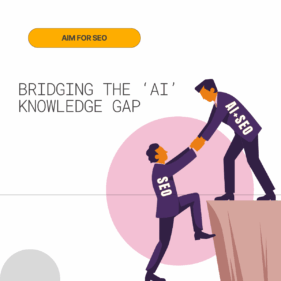
In other words, SEO self-promotion alone does not win AI visibility.
What Is Self-Promotional Content in SEO?
Self-promotional content is content that positions a brand as the “best,” “top,” “No. 1,” or uses similar superlative claims without independent validation.
This approach can work in traditional search engines because search engines retrieve pages from their index, and those pages may even be referenced in features such as AI Overviews.
However, the same approach is often less effective with AI systems such as ChatGPT, Grok, Claude, and Meta AI.
Why Doesn’t It Work Well for AI Search Optimization?
Unlike traditional search engines, AI models do not rely solely on a search index.
They can draw information from multiple sources, including training data, web content, retrieval systems (RAG), APIs, and other external data sources.
More importantly, AI systems typically interpret statements such as “best,” “top,” or “No. 1” as – claims rather than established facts.
To assess those claims, they look for supporting evidence from independent and credible sources. When multiple trusted sources consistently reinforce the same message, AI systems are more likely to associate that expertise or reputation with a brand.
How AI Visibility Actually Works?
AI visibility is largely driven by data, evidence, and reputation signals.
AI systems may consider:
- Historical information
- Current trends
- Reviews and ratings
- Media coverage
- Expert mentions
- Reputable third-party sources
- Industry recognition
- Public discussions across the web
Because AI models have access to a broad range of information sources, it is difficult to influence them through self-promotion alone.
Instead, brands need to build trust through genuine expertise, real-world contributions, and independent recognition.
Earn Trust, Don’t Just Claim It
If you want AI systems to recognize your expertise, focus on creating signals that others can validate.
For example, if you are an AI expert, simply stating that on your website is rarely enough.
A stronger approach is to participate in activities where your expertise can be demonstrated publicly, such as:
- Speaking at industry conferences
- Delivering keynote sessions
- Hosting webinars
- Participating in expert panels
- Contributing to research or industry reports
- Launching products or initiatives that attract industry attention
These activities create opportunities for third parties to mention, discuss, and reference your work.
When credible sources consistently talk about your expertise, AI systems are more likely to recognize and surface your brand in relevant contexts.
AI Visibility Is Earned Through Validation
The future of AI visibility is less about claiming authority and more about earning it.
Brands that receive consistent mentions, citations, reviews, and recognition from trusted sources are more likely to be referenced by AI systems than brands that repeatedly describe themselves as the “best.”
Final Thought
Self-promotional SEO content may still work in certain situations – especially when there are limited alternative sources available on a topic.
However, in most cases, AI systems treat self-promotional statements as ‘claims’ that require verification.
The brands most likely to win AI visibility are not necessarily those that call themselves the best. They are the brands that the broader web consistently recognizes as credible, trustworthy, and authoritative.